What Is a Reefer Container and How Does It Work?
Understand how a reefer container works, examine cooling mechanisms, temperature settings, and cold chain workflows via Trade Containers.
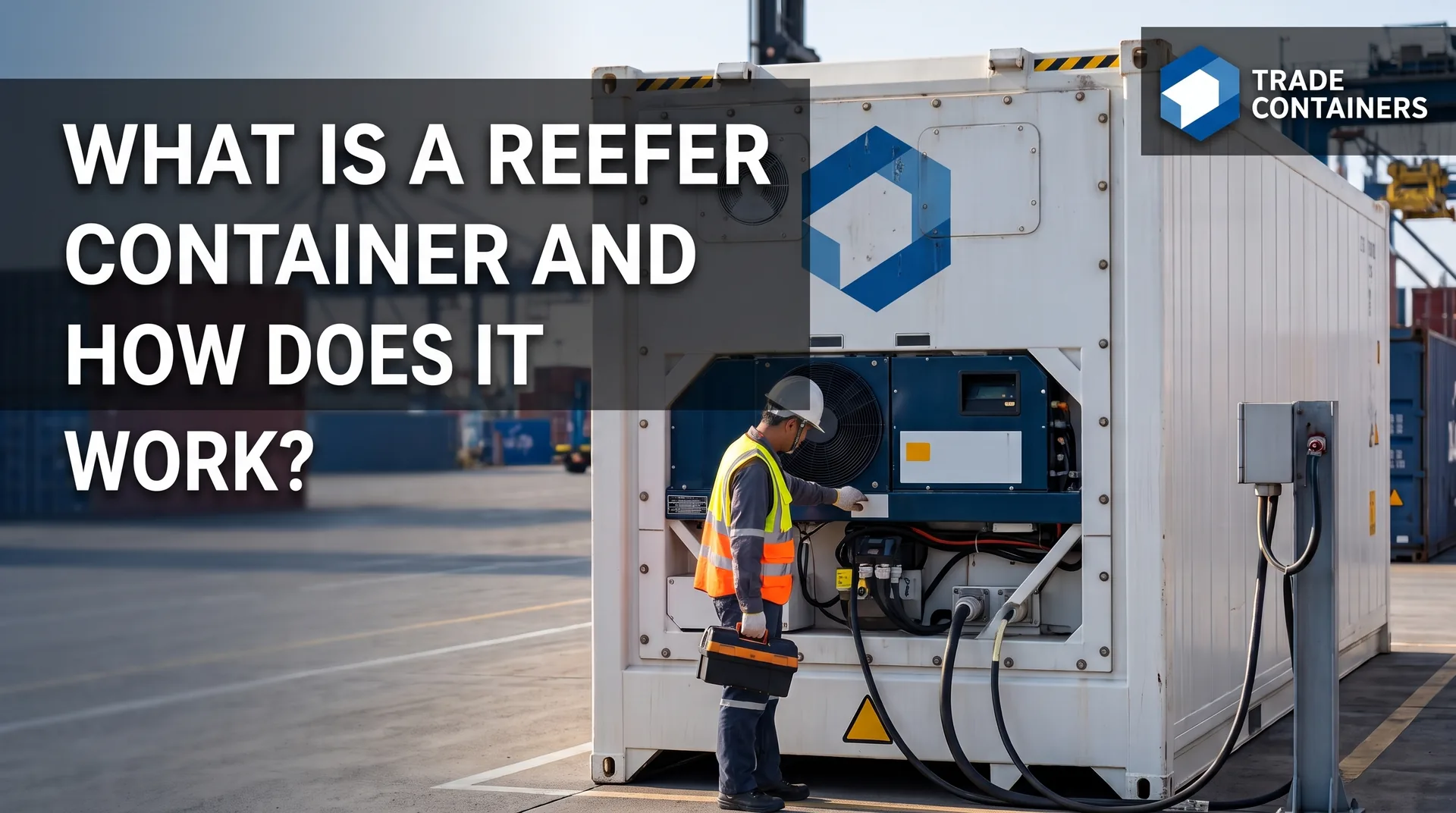
A reefer container is a specialized, temperature-controlled intermodal box designed to transport perishable and thermal-sensitive cargo across international trade lanes. Operating at the core of global cold chain logistics, these units safeguard meat, pharmaceuticals, fresh fruit, and specialty chemicals. Trade Containers provides a transparent digital marketplace to source, buy, or lease a verified refrigerated shipping container with ease.
What is a reefer container and how does it work?
Reefer containers are engineered to maintain a pre-cooled cargo temperature rather than freezing ambient goods from scratch. By circulating chilled air through integrated refrigeration units, these containers ensure strict climate stability throughout intermodal journeys.
Primary technical components driving the cooling cycle include:
T-Bar Floor Decking: Aluminum floor extrusions direct airflow along the bottom of the container, forcing cold air vertically through the cargo mass.
Power Architecture and Gen-Sets: Units plug directly into vessel and terminal power grids, while clip-on diesel generator sets (Gen-sets) provide uninterrupted cooling during road transit.
Fresh Air Exchange: Ventilation vents release accumulated ethylene gas and moisture produced by respiring fresh produce.
Types of refrigerated shipping containers and technical specifications
Cargo requirements dictate the appropriate equipment category, ranging from conventional dry-freeze boxes to advanced controlled atmosphere units.
Comparative metrics across primary refrigerated units are structured as follows:
Equipment Variant | Temperature Range | Core Capability | Primary Cargo Types |
|---|---|---|---|
Standard Reefer (20ft / 40ft HC) | -30°C to +30°C | Integrated electric cooling compressor | Poultry, seafood, dairy, citrus |
Controlled Atmosphere (CA) | -30°C to +30°C | Regulates O2 and CO2 levels dynamically | Bananas, avocados, asparagus |
Super Freezer | Down to -60°C | Dual-cascade low-temperature compressors | Sashimi-grade tuna, vaccines, plasma |
Best practices in cold chain logistics operations
Cargo integrity in refrigerated shipping relies on disciplined packing and airflow management. Obstructing internal air circulation causes localized temperature spikes, leading to immediate cargo degradation.
For technical specifications on intermodal container manufacturing and thermal testing protocols, consult the official https://www.iso.org documentation portal.
Pre-trip and loading operational checklist
Ensure goods are pre-cooled to the exact target carrying temperature before transferring into the unit.
Never load cargo past the designated red load line on internal sidewalls to prevent blocking return air.
Confirm that digital temperature data loggers are calibrated and initialized prior to departure.
Inspect door rubber gaskets for tight thermal sealing and check cable power plug connections.
Managing reefer fleets and leasing with Trade Containers
Securing high-specification refrigerated units without intermediary delays minimizes fleet downtime. Utilizing digital trading and one-way repositioning platforms allows operators to adjust seasonal capacity efficiently.
To evaluate how interior wall insulation affects pallet configuration and floor space, review our detailed guide on how many pallets fit in a container.