Shipping Container Investment: Container Trading on Trade Containers
Explore how shipping container investment and container trading generate strong returns through the Trade Containers digital marketplace.
Shipping container investment has emerged as a reliable hard-asset strategy offering strong capital protection and consistent cash flows. Engaging in container trading allows fleet owners to monetize surplus equipment and secure steady leasing returns. The Trade Containers platform directly connects intermodal investors with verified global freight operators and buyers.
How does shipping container investment generate returns?
Acquiring physical container assets to deploy across commercial leasing or trading networks creates an inflation-resilient revenue stream. Well-positioned freight containers deployed in high-demand trading hubs deliver average net annual yields ranging between 12% and 18%.
Primary investment models in the container market include:
Direct Equipment Resale: Purchasing undervalued used units during market troughs and selling at premium margins during demand spikes.
Long-Term Operational Leasing: Supplying boxes to shipping lines on 3 to 5-year fixed contracts for predictable monthly income.
One-Way Container Repositioning: Capitalizing on regional equipment deficits to earn high positioning premiums.
Container trading yields and asset cost analysis
Equipment classification directly influences asset depreciation timelines and overall return on investment. While standard dry freight units offer lower risk, specialized equipment delivers higher rental yields.
Standard return metrics across core equipment types are structured as follows:
Equipment Type | Average Capital Entry | Expected Annual Yield | Market Liquidity Level |
|---|---|---|---|
20ft Standard Dry Van | Baseline benchmark | 12% - 14% | Very High |
40ft High Cube (HC) | Moderate capital level | 14% - 16% | Highest Market Demand |
40ft Refrigerated (Reefer) | High specialized premium | 18% - 22% | Specialized Niche Liquidity |
Key factors when you sell shipping containers from your fleet
Documenting technical maintenance history and structural condition preserves asset exit value over time. Units certified under active CSC safety plate regulations sell 3 times faster across secondary markets.
For international specifications on intermodal safety standards, consult the official https://www.iso.org documentation portal.
Steps to manage a container investment portfolio
Analyze regional supply and demand imbalances at target hub ports.
Acquire high-standard inventory graded under IICL or Cargo Worthy condition rules.
List equipment across digital marketplaces to minimize static depot storage costs.
Structure transparent leasing agreements with clear damage repair provisions.
Optimizing your portfolio with Trade Containers
Digital B2B platforms remove intermediary broker fees, directly maximizing net investment margins. Verified counterparty workflows ensure prompt settlement and secure equipment transfers.
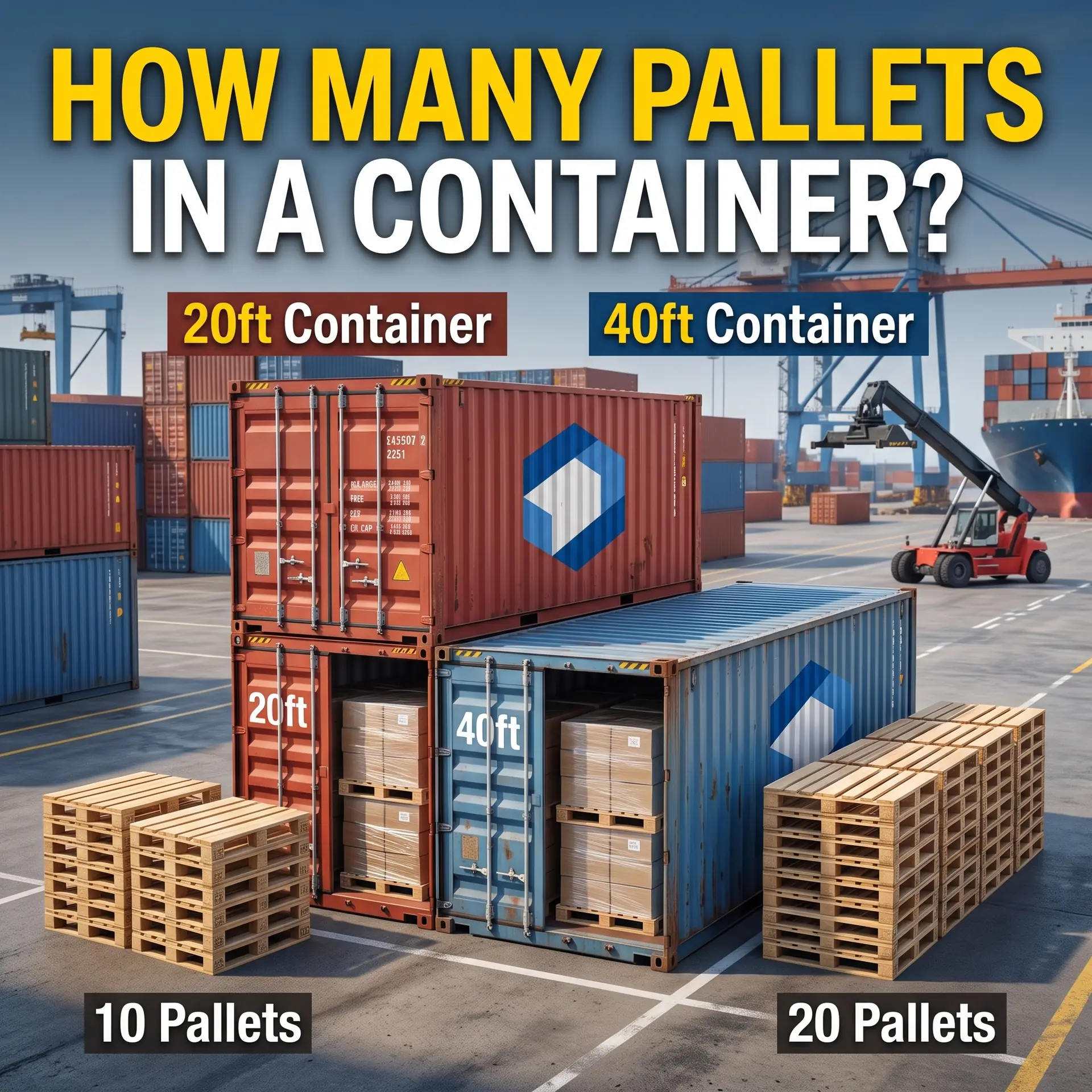
To evaluate container cargo capacity and floor layout calculations, explore our detailed guide on how many pallets fit in a container.