Shipping Container Self Storage Business Guide | Trade Containers
Learn how to launch a profitable shipping container self storage facility and manage container trading operations via Trade Containers.
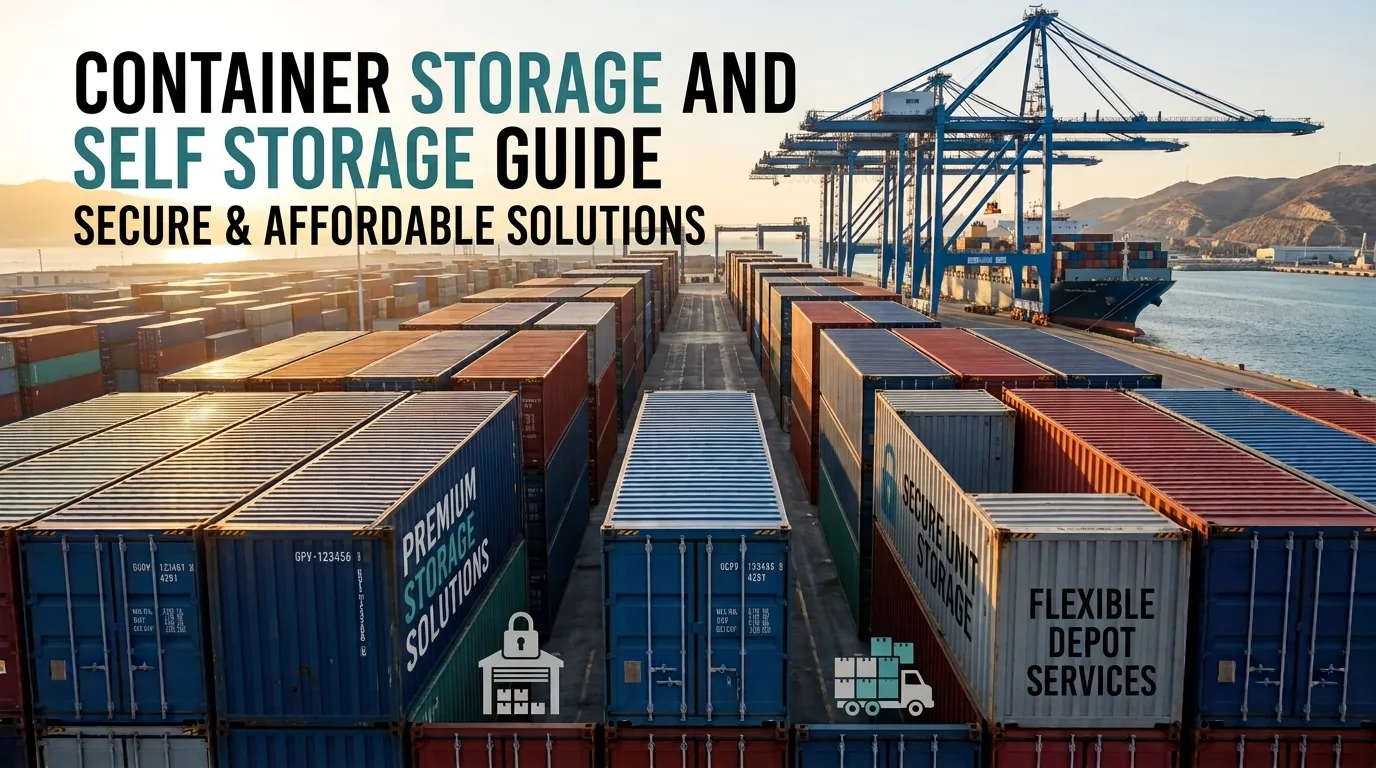
Starting a shipping container self storage business offers an affordable and highly scalable path to generating recurring commercial cash flow. Engaging in active container trading allows facility operators to acquire cost-effective boxes and convert land into secure storage units. The Trade Containers platform connects operators directly with global equipment suppliers to source verified inventory seamlessly.
How to build a shipping container self storage facility
Developing a container storage park requires level ground preparation, perimeter security, and efficient layout planning. Steel intermodal boxes speed up site opening timelines by 3 times compared to traditional brick-and-mortar storage facilities.
The most popular container configurations used in storage parks include:
20ft Standard Dry Van: The industry benchmark size for residential moving and general business inventory storage.
40ft High Cube: Ideal for large commercial storage or subdivided into multiple smaller lockable storage lockers.
Multi-Compartment Units: Custom divided 20ft or 40ft units featuring separate side doors for individual customer access.
Choosing the right condition grade for self storage units
Selecting weather-resistant units protects customer goods from humidity, water ingress, and dust damage over multi-year rental periods. Most operators deploy Wind and Watertight (WWT) or One-Trip (new) boxes across their sites.
Comparative metrics across common storage condition grades are structured as follows:
Condition Grade | Structural Integrity | Target Market | Investment Payback |
|---|---|---|---|
One-Trip (New) | Pristine and clean aesthetics | Premium residential self storage | Highest monthly rental rate |
Wind and Watertight (WWT) | Fully sealed against weather | Commercial equipment storage | Low entry cost, fast ROI |
Cargo Worthy (CW) | Maritime certified strength | Dual-purpose storage & transport | High resale liquidity |
Sourcing inventory to sell shipping containers or expand yards
Scaling a storage park requires continuous access to competitively priced boxes. When looking to upgrade yard capacity or divest older boxes, digital B2B networks eliminate intermediary commissions and guarantee verified transactions.
For international specifications on intermodal container safety and design rules, visit the official https://www.iso.org documentation portal.
Key operational steps for container storage yards
Grade and pave the yard site with proper water drainage channels.
Install perimeter fencing, automated access gates, and CCTV surveillance.
Fit steel lock boxes on all container doors to protect padlocks from tampering.
Deploy digital booking software to automate customer leases and gate codes.
Optimizing fleet assets with Trade Containers
Using transparent digital marketplaces enables storage operators to source bulk inventory directly from shipping lines and leasing companies at wholesale rates.
To learn more about buying, leasing, or monetizing equipment, explore our comprehensive guide on shipping container investment and trading.