How to Book a Container in Shipping: 2026 Guide | Trade Containers
Learn the step-by-step procedure of booking a freight container, managing vessel schedules, and securing equipment via Trade Containers.
Understanding how to book a container in shipping requires selecting the right schedule, managing documentation timelines, and confirming equipment availability. Securing a reliable freight container protects cargo integrity while keeping supply chains free from unexpected demurrage charges. Trade Containers delivers direct access to verified B2B partners, making modern equipment sourcing and transport coordination transparent and fast.
How to book a container in shipping step by step
Coordinating an ocean booking demands alignment between vessel departures, depot release schedules, and export customs clearance. The standard container booking workflow includes:
Cargo Specification: Define cargo dimensions, total weight, stacking limits, and dangerous goods classifications (IMDG).
Equipment Selection: Select between standard dry vans, high cubes, or temperature-controlled refrigerated containers.
Carrier Booking Submission: Submit route origin, discharge port, and targeted sailing window to the shipping line.
Booking Confirmation Issuance: Receive the official booking note detailing equipment release authorization and vessel cut-off dates.
SOC vs. COC: Choosing the right booking model
Deciding between Carrier-Owned Containers (COC) and Shipper-Owned Containers (SOC) shapes freight expenditure and operational autonomy. Evaluating route constraints ensures optimal cost performance.
A direct comparison between the two primary shipping container usage models shows:
Booking Model | Equipment Ownership | Demurrage Exposure | Cost Benefit |
|---|---|---|---|
Carrier-Owned Container (COC) | Liner-controlled assets | Strict daily demurrage and detention fees | Convenient bundled transport invoicing |
Shipper-Owned Container (SOC) | Shipper-leased or owned units | Zero carrier detention penalties | Up to 30% savings on congested trade lanes |
One-Way Container Leasing | Temporary repositioning usage | High flexibility between inland hubs | Eliminates empty container repositioning fees |
Key operational factors in container freight booking
Inaccurate cargo weights or delayed document submissions often cause rolled bookings and terminal congestion fees. Verifying valid CSC safety plate dates and inspecting door gaskets prevents costly transit claims.
For technical specifications regarding intermodal equipment safety standards, consult the official https://www.iso.org standards portal.
Checklist to complete your booking confirmation
Verify equipment free time allowances at origin and destination terminals prior to signing.
Submit the Verified Gross Mass (VGM) declaration before the terminal cut-off deadline.
Inspect the physical container at depot pick-up and record the Equipment Interchange Receipt (EIR).
Affix an ISO-compliant high-security bolt seal and log the seal number on the Bill of Lading.
Streamlining fleet management and container leasing with Trade Containers
Modern logistics teams leverage digital marketplaces to source equipment without relying on fragmented intermediary brokers. Utilizing verified trading and one-way leasing workflows reduces capital overhead and optimizes turnarounds.
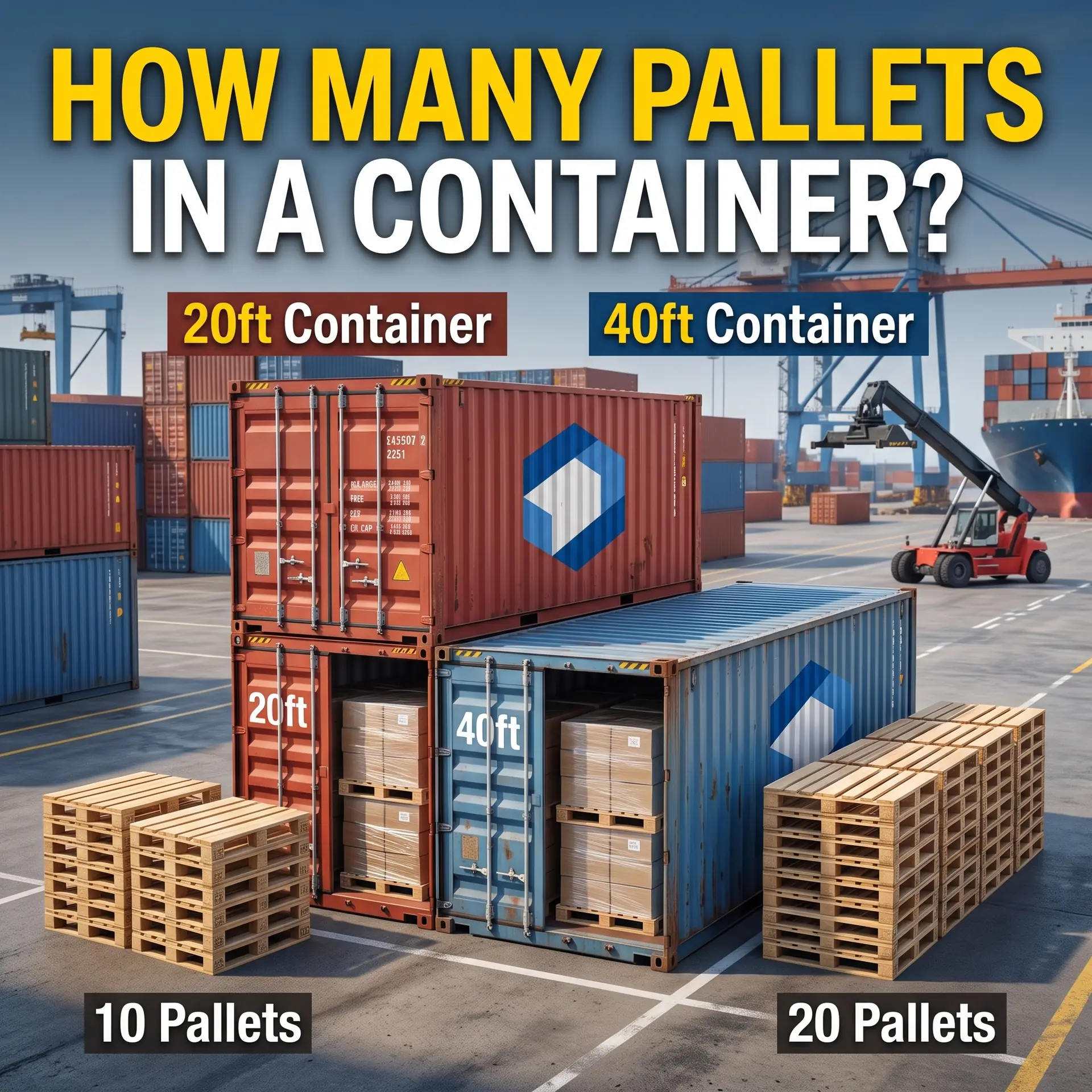
To accurately plan your cargo layout and evaluate payload thresholds before dispatch, review our detailed guide on how many pallets fit in a container.